When the Room Broke the Robot
Our robot worked in the classroom but failed at the competition because different lighting interfered with its sensors. We improvised a cardboard shield, got it through the course, and learned that testing only works when it reflects real conditions.
Where it started
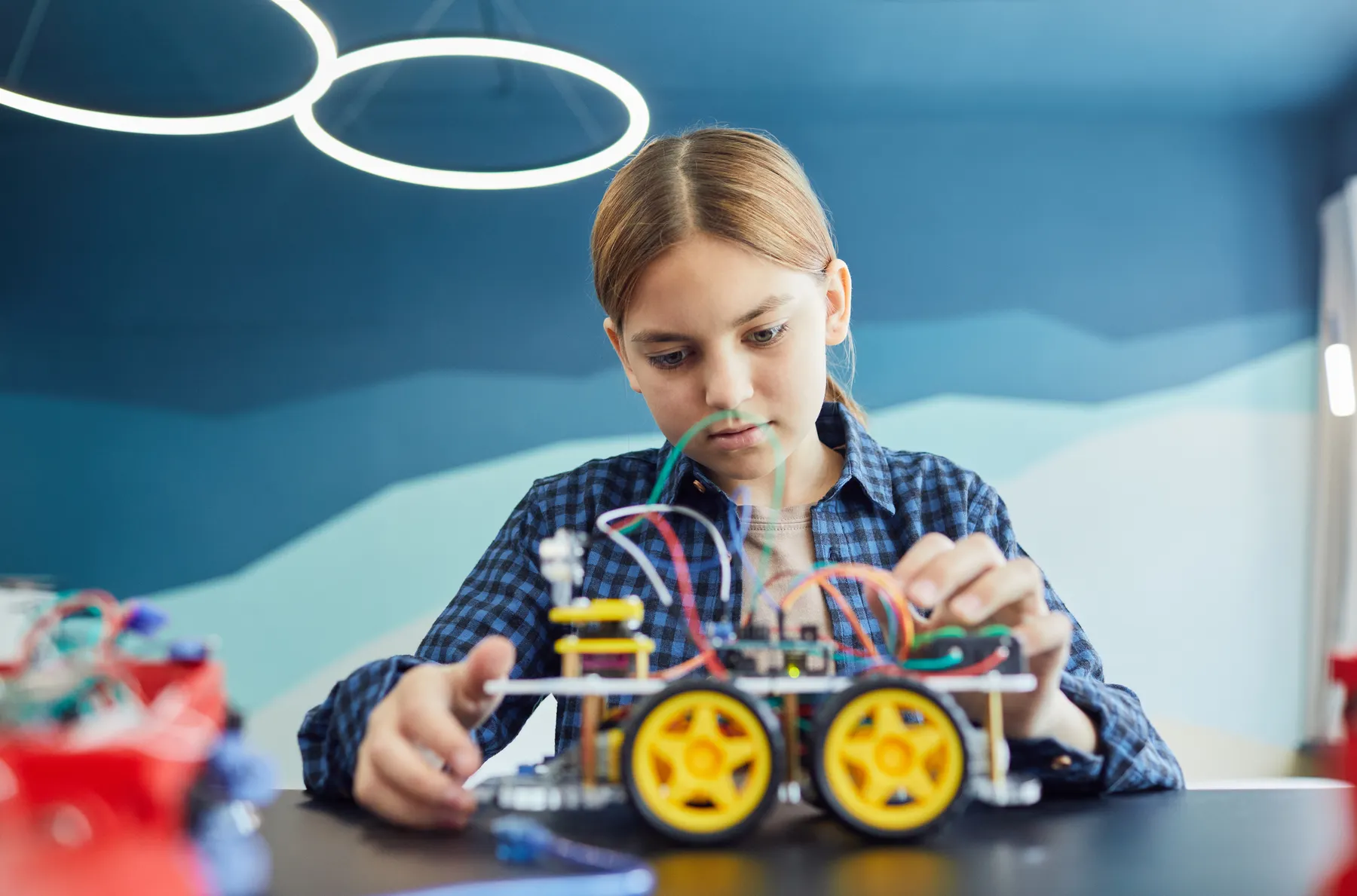
We had a line-following robot for a competition. It worked in the classroom. Not perfectly, but enough that we trusted it. That trust lasted until competition day.
Where I got stuck
At the venue, it kept drifting off the line. We did the obvious things first. Recalibrated the sensors. Changed the batteries. Checked the wiring. Uploaded the code again, even though we knew the code had not magically changed overnight. Still bad. The weird part was that it would sometimes work again when we moved it away from the competition area. That made no sense to us at first. So we kept looking at the robot.
What changed
Then someone held a notebook over the sensor area while we were checking readings. The numbers changed. That was the clue. The venue had stronger lights and sunlight coming through the windows. Our infrared sensors were reacting differently. We didn't have time for some elegant fix, so we taped a small piece of cardboard around the sensors. Very high-tech.
After that
It actually helped. The robot became much more stable and finished the course. We didn't win. I barely remember where we placed, to be honest. What I remember is realising that the robot wasn't really the thing that had changed. The room had.
What stayed with me
We kept asking, “What's wrong with the robot?” The better question was, “What's different here?” That has stuck with me whenever something works in testing and fails in real life.