I almost threw out my grandmother's recipe notebook
I wanted to replace my grandmother's messy recipe notebook with a clean document. Cooking with her showed me how much knowledge was missing from the written instructions. We documented the steps together and kept the original.
Where it started
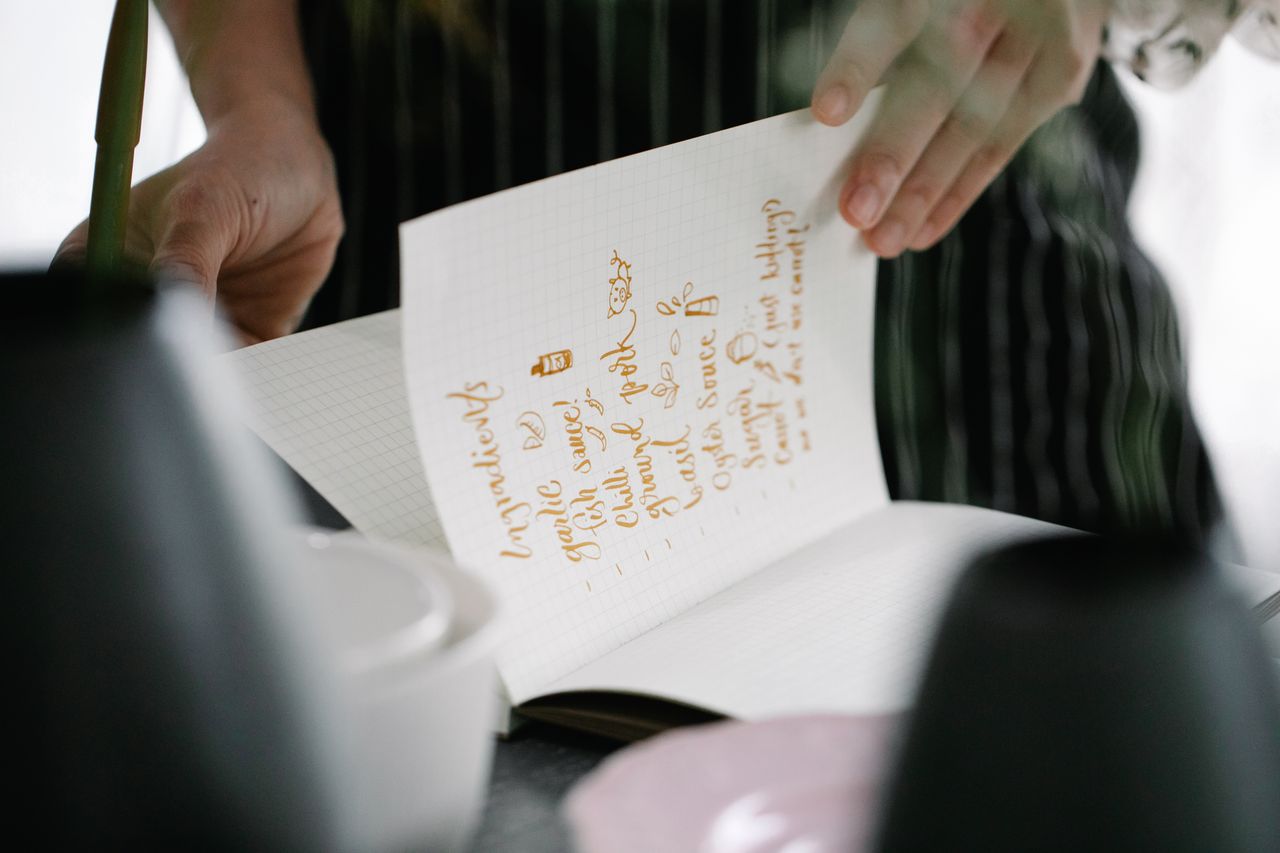
While cleaning a cupboard, I found an old school notebook filled with my grandmother's recipes. Half the pages were stained, the handwriting wandered around the margins, and most measurements said things like “a little” or “until it smells right.” I suggested typing the recipes into a neat document and discarding the notebook.
Where I got stuck
My grandmother said no, quite firmly. I thought she was being sentimental about paper. Then I tried making her lemon pickle from the written instructions. I used one spoon of salt because the note said “one spoon,” and it tasted terrible. She explained that the spoon meant an old steel one she'd used for years. There were tiny bits of knowledge the notebook assumed you already had.
What changed
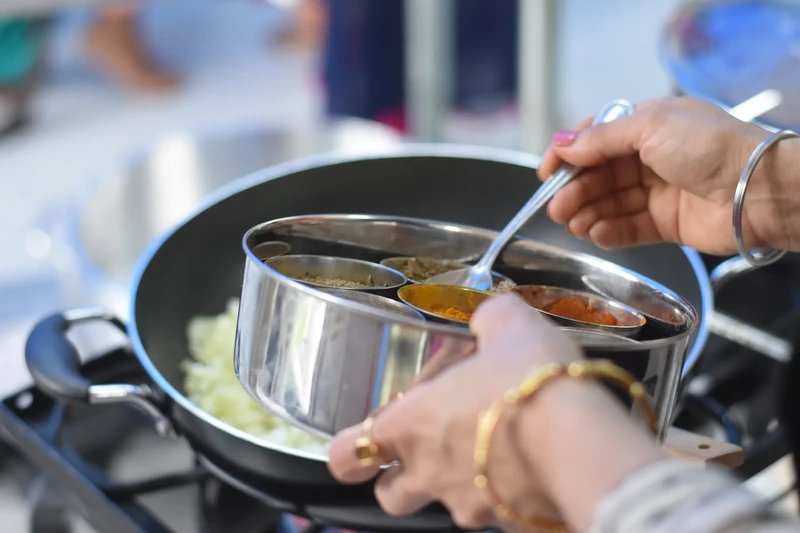
We spent two afternoons making three recipes together. I weighed ingredients when we could, took photographs of the steps and wrote down which old utensils she meant. I kept the parts she wouldn't measure, too: “wait until the mustard stops crackling,” for example.
After that
My first batch of pickle still wasn't as good as hers. My second was much closer. We put the typed instructions in a folder and returned the original notebook to its cupboard, now in a plastic sleeve.
What stayed with me
I had mistaken making information tidy for making it complete. Sometimes the most valuable part of a process is the bit nobody thinks to write down. You have to watch, ask, and try it yourself.