I kept my first payslip, not my first shopping bag
I nearly spent my first salary on celebrations and shoes before accounting for everyday costs. Setting aside savings and delaying a purchase left me able to handle an unexpected expense. My income became more useful once I stopped planning around the full amount.
Where it started
I was paid ₹16,500 for my first month at a local office. I'd already promised to treat my parents and buy new shoes. I also wanted to put money aside, although I hadn't worked out how much travel and lunches would cost.
Where I got stuck
By the middle of the month I'd spent more than expected on commuting and meals. I could still buy the shoes, but that would mean borrowing money for the rest of the month. My friends were posting their first-salary purchases, and I felt a little ridiculous thinking so hard about a pair of shoes.
What changed
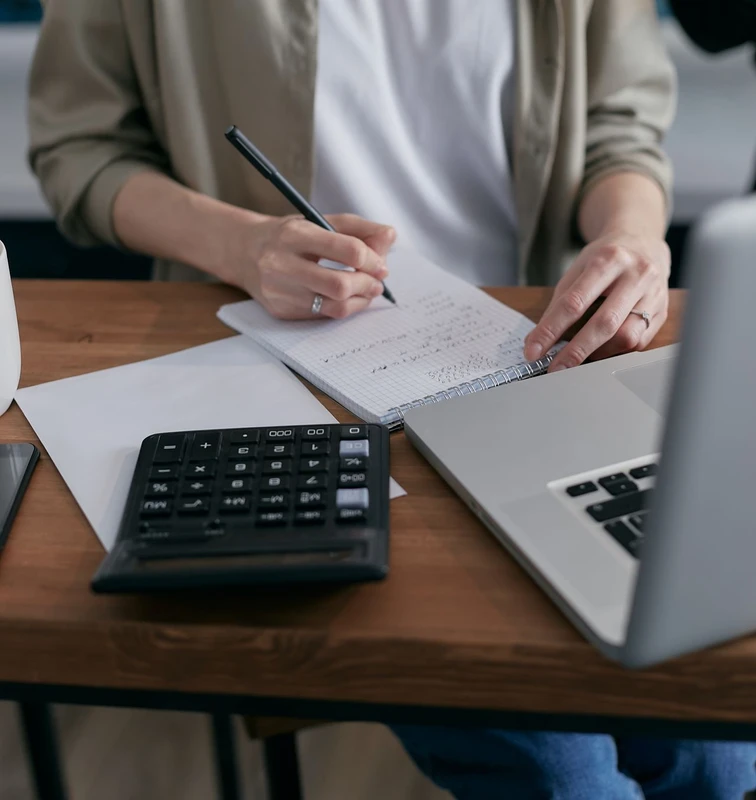
I wrote down the expenses I couldn't avoid, put ₹2,000 aside in a separate account, and told my parents we'd have a simple dinner at home instead of going out. I kept the shoes in my cart for another month. When the second salary came, I checked what was left after the fixed expenses before making promises.
After that
I did eventually buy the shoes, just later than planned. I also had some savings when my phone battery needed replacing. It wasn't a large amount, but I didn't have to ask anyone for it.
What stayed with me
Earning money gave me options, not an obligation to prove I was independent immediately. What helped most was deciding which expenses came first while the balance was still full.