I missed the bus because I trusted the timetable
I missed a train after relying on a bus's scheduled arrival with no fallback. I started planning travel with buffers and a clear backup option. The next delay was inconvenient rather than disastrous.
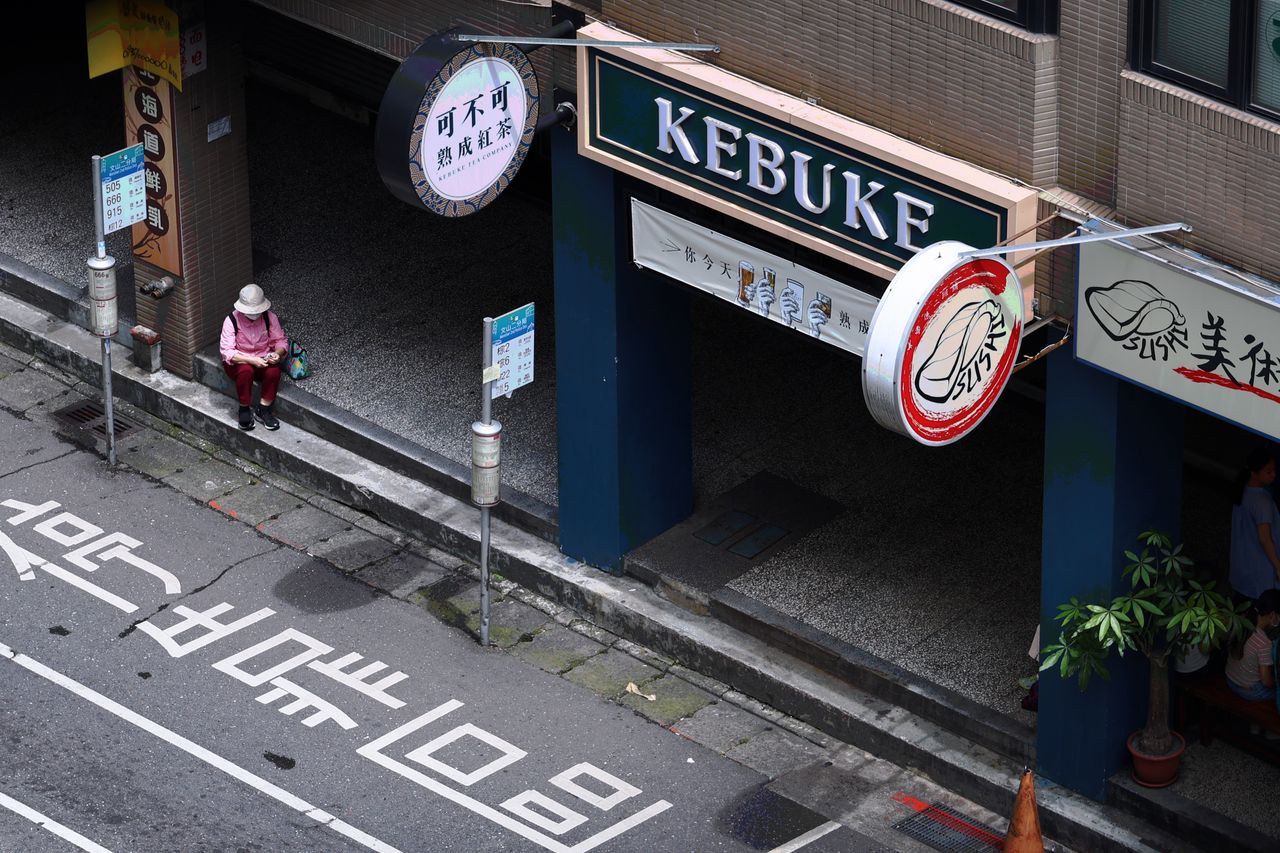
Where it started
I had an early train to catch from the city, and the local bus timetable showed a service that would get me to the station forty minutes before departure. I had taken that bus before and assumed it would be fine.
Where I got stuck
The bus arrived twenty-five minutes late. Then roadwork slowed the journey. I reached the station just as the train was leaving. The ticket was non-refundable, and I had to buy a more expensive seat on a later train. I spent the journey blaming public transport, which wasn't completely unreasonable, but I'd also left myself no realistic backup.
What changed
Before my next early journey, I checked recent route delays and planned around the first reliable arrival time, not the scheduled one. I saved the cost of a cab as a fallback and decided what time I'd switch to it if the bus didn't come. I also packed the night before so leaving early wouldn't be a scramble.
After that
The next bus was late too, by about ten minutes. It didn't matter because I had enough time. The extra planning felt excessive until I realised how much the missed train had cost.
What stayed with me
A timetable tells me what should happen; it doesn't guarantee what will happen. For anything expensive to miss, I need a margin and a backup, not just a route.