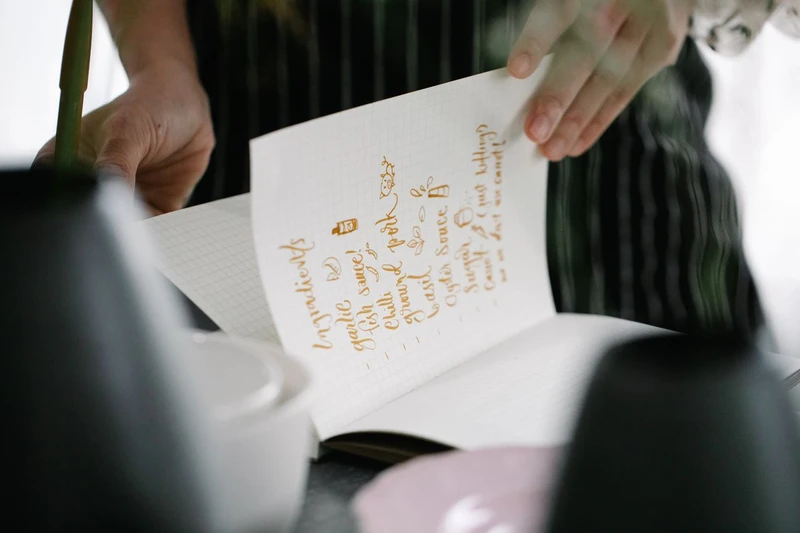
I stopped treating the family shop like a guessing game
I tried to improve stock management at my parents' shop with a complicated spreadsheet that nobody used. Tracking just fifteen important products on paper helped us order more sensibly. A simple habit beat an elaborate system.
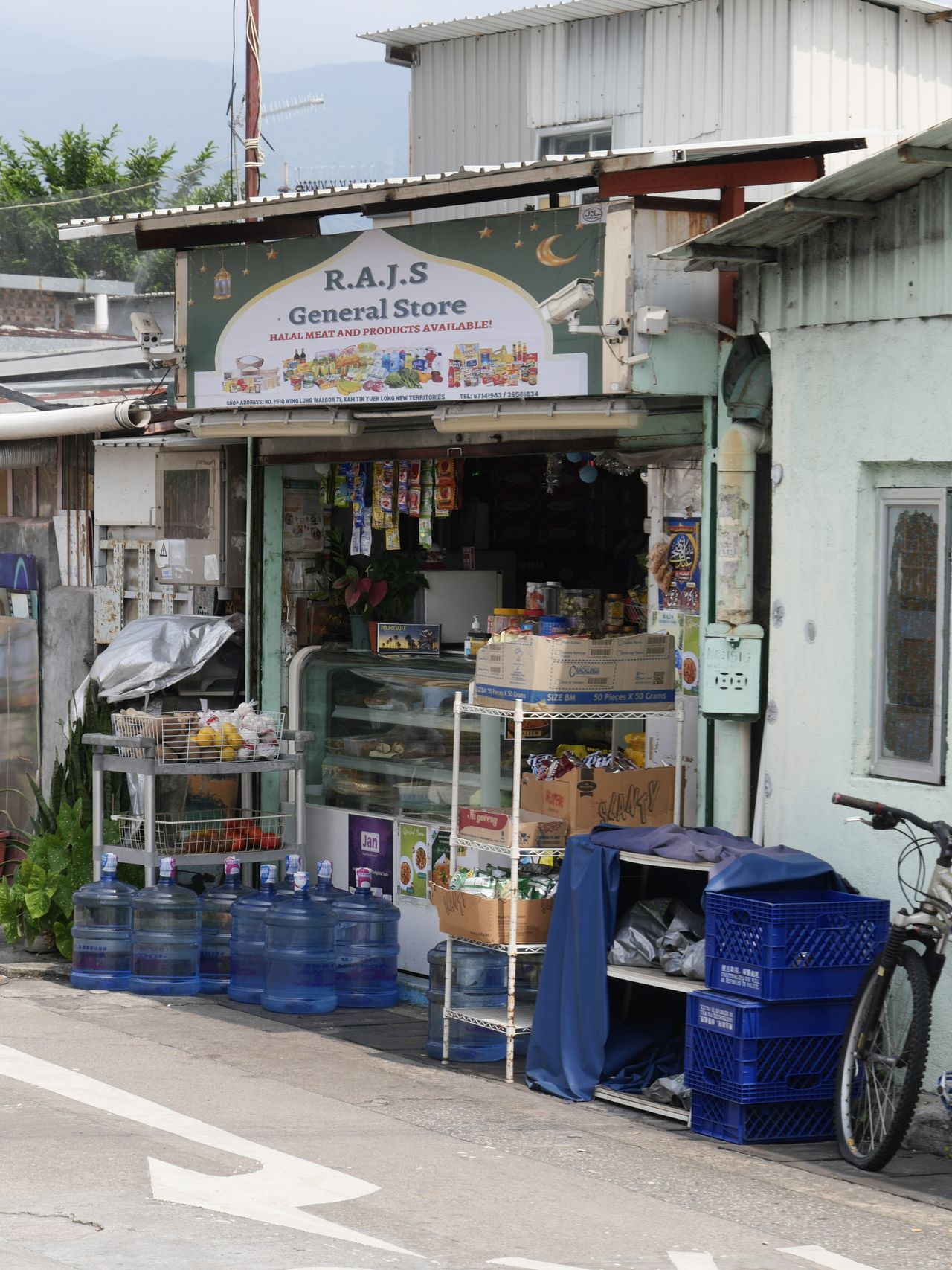
Where it started
My parents run a small general store. During holidays, I helped behind the counter and noticed we kept running out of popular items while slow-moving snacks filled the shelves. My father ordered based on what he remembered selling. He had been doing it for years, so I was nervous about suggesting changes.
Where I got stuck
I initially made a complicated spreadsheet with six columns for every item. It lasted three days before everyone stopped filling it in. The store gets busy in the evening, and nobody wanted to record every packet of biscuits. I had designed a system for a quiet office, not our counter.
What changed
I asked my father which stockouts actually bothered him. He named fifteen items. For a month we counted only those at closing time and marked restocks on one printed sheet. I entered the totals on Sunday nights. We adjusted order quantities for the items that sold out every week.
After that
We had fewer empty shelves for those products the next month. Some guesses were wrong: one drink sold slowly after the weather changed, so we reduced its order. My father still makes most buying decisions, but now he asks to see the sheet for the fifteen items.
What stayed with me
A system is only useful if people will keep using it on an ordinary busy day. My first plan was more impressive. The paper sheet was better.