The chapter I knew until the paper arrived
I thought understanding lessons meant I was ready for physics tests. My first result showed I'd barely practised independently. Timed questions and a mistake log improved my next score and changed how I decide whether I've prepared enough.
Where it started
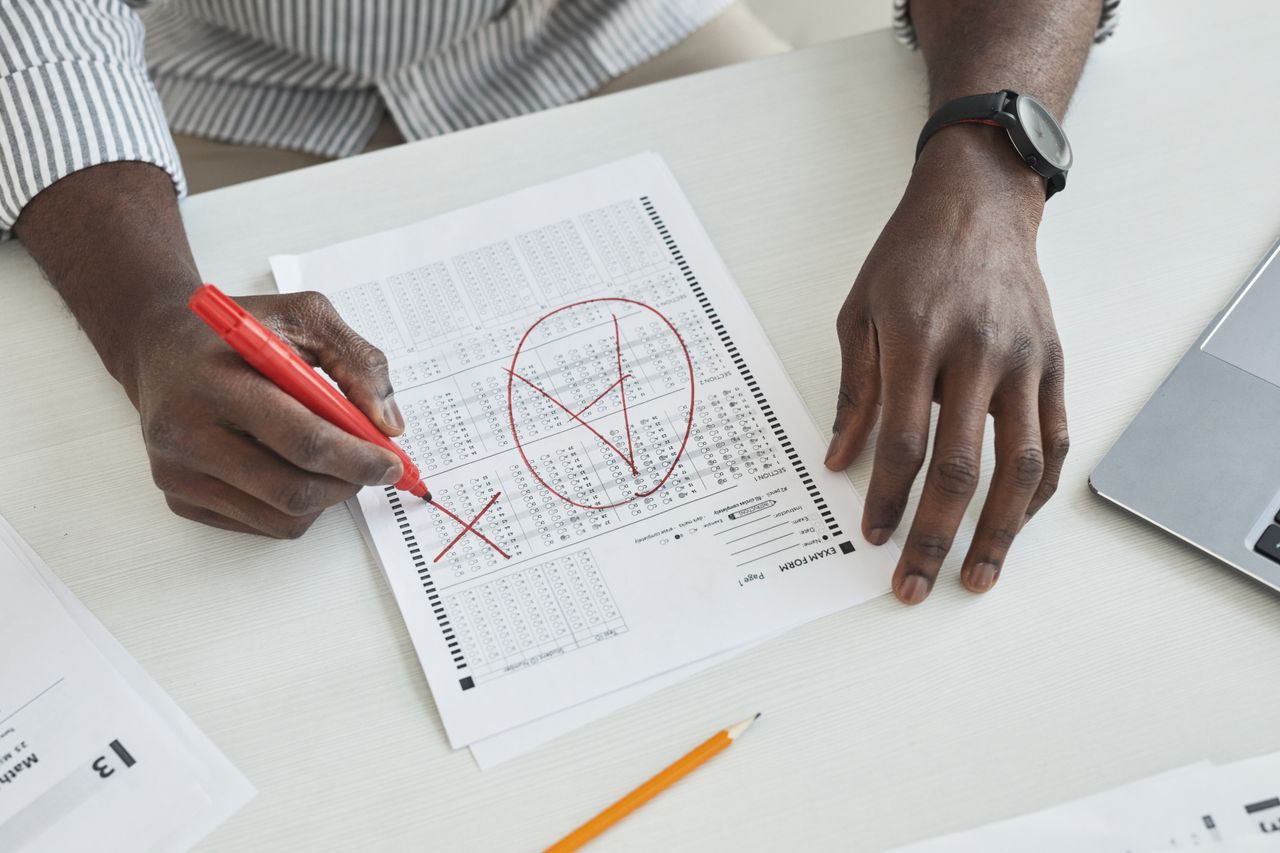
I spent most of Class 11 telling people physics was my strongest subject. I understood what happened in class, could follow the teacher's solutions, and usually finished the homework. Then I got 39 out of 70 in the first proper school test. The embarrassing part was that I recognised almost every question.
Where I got stuck
I checked the paper expecting a few tough questions to explain the score. Instead, I'd used the wrong sign twice, forgotten units in one answer, and spent thirteen minutes on a question worth three marks. I had been counting a chapter as “done” whenever I understood a worked example. I hadn't been trying questions without the solution beside me.
What changed
For the next test I stopped making long revision notes. I did a timed set every other day and kept one page titled “things I actually get wrong.” I had to write down the exact reason for each lost mark, even when the reason was stupid. Before the test I read that page, not the whole textbook again.
After that
I got 58 on the next paper. It wasn't the highest mark in class, but there were far fewer silly losses. I still struggled with the last numerical and left it incomplete. At least I knew what I needed to work on.
What stayed with me
Understanding a teacher's answer is not the same as being able to produce one on a clock. I now judge my preparation by questions I can solve alone, not by how familiar the chapter feels.