My first debate was just a memorised speech
I memorised a strong debate speech and failed to respond to the argument actually made. Practising unfamiliar objections taught me to listen first and rebut second. My next performance was less polished but much more useful.

Where it started
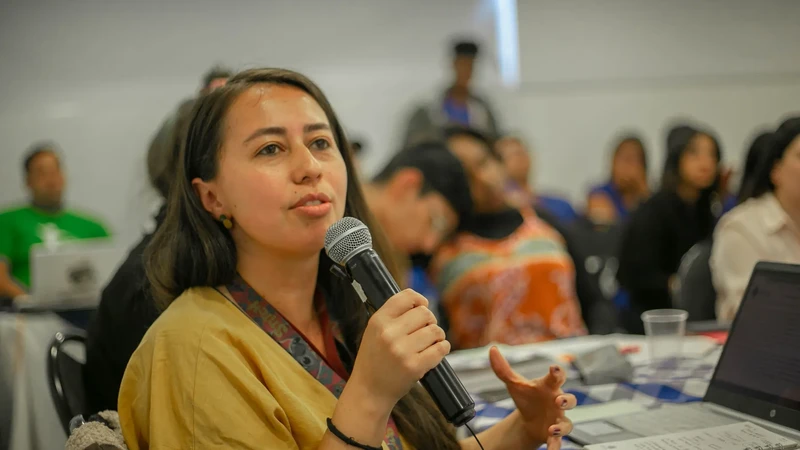
I went into an inter-school debate with a speech I'd practised so many times that I could deliver it while getting dressed. I knew where to pause, when to raise my voice, and which line might get a reaction. I thought that was preparation.
Where I got stuck
The other side made an argument I hadn't expected: not the usual one from our practice sessions, but a very specific example that challenged my main claim. I didn't answer it. I delivered my prepared rebuttal anyway. Afterwards, a judge asked why I'd ignored the example. I didn't have an answer except that it wasn't in my notes.
What changed
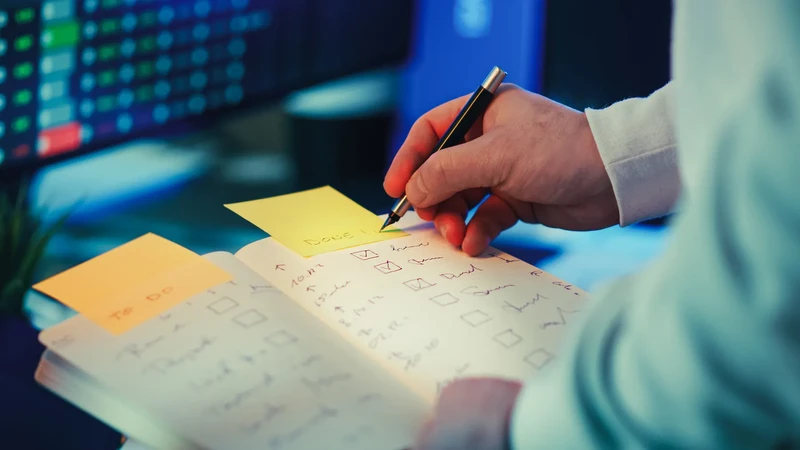
For the next competition, my partner and I practised differently. She had to bring objections I wasn't allowed to see beforehand. I wrote down the opponent's claim in one sentence before responding. If I couldn't explain what they'd said, I wasn't allowed to rebut it yet.
After that
I wasn't as smooth in the next round. I paused more and had to abandon a few lines I'd liked. But I answered the actual arguments, and the feedback specifically mentioned that. We reached the semifinals.
What stayed with me
A speech can be polished and still miss the point of a debate. These days I prepare ideas and evidence, but I leave room to listen. The person opposite me is not there to deliver the lines I've rehearsed against.